
How To Use Trading Strategies For Bitcoin (BTC) Investments
How to use trading strategies for Bitcoin (BTC) investments
Bitcoin, the first and most widely recognized cryptocurrency, has been a hot commodity in recent years. With the potential of high volatility and rapid price increase, many investors have turned to trading strategies to take advantage of the market. In this article, we examine how to invest varied trading strategies into Bitcoin (BTC).
Understand Bitcoin trading strategies
Before you get into specific trading strategies, it is essential to understand the basics of cryptocurrency trade:
* Technical Analysis : This includes analysis of charts and samples on the graph to predict future price movements.
Basic Analysis : This focuses on the company’s financial statements, revenue growth and industry trends to make informed investment decisions.
Momentum investment : This strategy is based on the identification and reception of market trends.
Popular trading strategies of Bitcoin (BTC)
Here are some popular trading strategies for investing in Bitcoin:
1.
Expanding a stock or asset from the range can be an effective method to gain rapid profits. When the price breaks at the level of resistance, it is considered a purchase signal.
- Use diagram patterns such as head and shoulder or wedges to identify potential breakthrough levels.
- Set Stop-Loss and reception profit at specific price levels to manage risk.
2.
Follow the trend
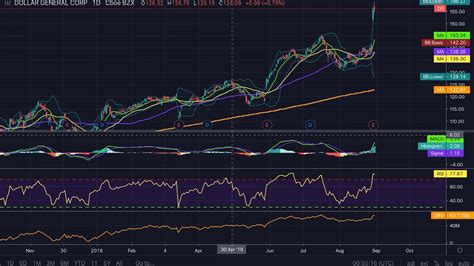
This strategy includes the identification of the direction of the market and to follow it.
- Look for trends in financial statements, revenue growth and industrial analysis.
- Use technical indicators such as RSI or Bollinger bands to confirm the trend direction.
- Set the stop-losses and take the profit based on historical data and market conditions.
3.
Turn
This strategy includes the identification of over -purchased and excessive conditions on the market as well as bets on the subject.
- Find signs of over -purchased or excessive conditions such as price records or technical indicators.
- Use chart patterns such as triangles or wedges to confirm the direction of the trend.
- Set the stop-losses and take the profit based on historical data and market conditions.
4.
Scalping
This strategy includes small transactions during the day, profit from fast price movements.
- Identify possible trading options such as short -term price drops or rallies.
- Use technical indicators such as RSI or Bollinger bands to confirm the trend direction.
- Set the stop-losses and take the profit based on historical data and market conditions.
5.
Range Trading
This strategy includes buying or selling assets within a given range and accepts that the device breaks out of the range at a certain point.
- Use diagram patterns such as head and shoulder or wedges to identify potential breakthrough levels.
- Set the stop-losses and consider profit based on specific price levels.
- Monitor market conditions and set the strategy as needed.
6.
Option Trading
This strategy includes the purchase and sale of option contracts that can provide exposure to various assets.
- Determine the appropriate basic device and option type (such as call or upload).
- Set the strike prices, expiration dates and margins.
- Monitor market conditions and set the strategy as needed.
7.
Suggested trade
This strategy includes the use of built -in money to increase potential profits from commerce.
- Use the leverage to trade assets with lower investment requirements.
- Set the stop-losses and take the profit based on historical data and market conditions.
- Monitor market conditions and set the strategy as needed.
8.
Celebrity Trade
This strategy includes the use of families or announcements for commerce.
